
Center for Arizona Policy Voter Guide: A Comprehensive Overview (Updated 02/11/2026)
Today, February 11th, 2026, the Center for Arizona Policy’s voter guide offers crucial insights as a new legal challenge regarding elections emerges in Arizona.
The Center for Arizona Policy (CAP) is a non-partisan, faith-based public policy organization dedicated to promoting principles that strengthen families and communities across Arizona. Founded in 1995, CAP focuses on research, education, and advocacy related to a wide range of issues, including education, healthcare, life, and religious freedom.
CAP’s core mission revolves around influencing public policy through informed analysis and engagement with policymakers. They actively monitor legislation, provide data-driven insights, and mobilize citizens to participate in the political process. A significant component of their work is the annual publication of a comprehensive Voter Guide, designed to equip Arizona voters with the information needed to make informed decisions at the ballot box.
As of today, February 11th, 2026, CAP continues its commitment to transparency and non-partisanship amidst ongoing legal challenges concerning election integrity within the state.
What is a Voter Guide and Why Use One?
A Voter Guide is a non-partisan resource designed to help citizens understand the candidates and issues on an upcoming ballot. These guides typically provide information on candidates’ positions on key policy matters, their qualifications, and voting records. They serve as a valuable tool for voters seeking to move beyond party affiliation and make informed choices based on individual stances.
Using a Voter Guide, like the one produced by the Center for Arizona Policy, is crucial for responsible citizenship. It empowers voters to actively participate in shaping their government and ensures that elected officials truly represent the will of the people. In a climate of increasing political polarization and complex issues, a Voter Guide offers clarity and facilitates thoughtful consideration.
Especially relevant today, February 11th, 2026, with emerging legal challenges to election processes, informed voting is paramount.
CAP’s Methodology for Creating Voter Guides
The Center for Arizona Policy (CAP) employs a rigorous methodology to ensure its Voter Guide is accurate, fair, and informative. This process begins with identifying key races and candidates on the ballot. CAP then develops comprehensive questionnaires focusing on critical policy issues relevant to Arizona voters. These surveys are sent to all candidates seeking office.
Candidate responses are carefully reviewed and verified for accuracy. CAP does not endorse or oppose any candidate; the guide aims to present information objectively. The organization prioritizes transparency, making candidate responses publicly available. This commitment to impartiality is vital, particularly given current legal scrutiny surrounding election integrity, as highlighted on February 11th, 2026.
CAP’s methodology strives to empower voters with the knowledge needed to make informed decisions.
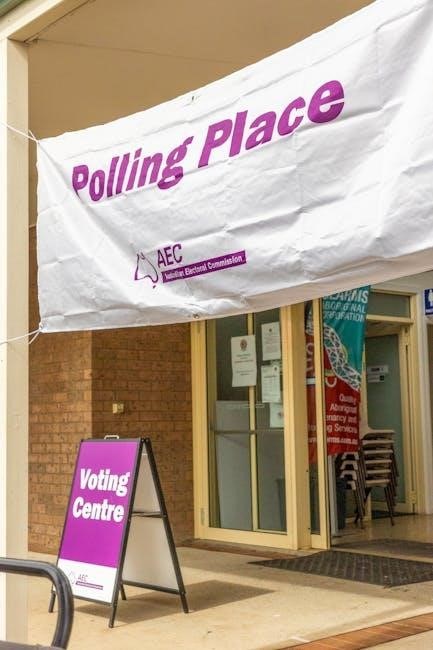
Key Races Covered in the 2026 Voter Guide
CAP’s 2026 guide meticulously analyzes the Governor, Attorney General, Secretary of State, and all Legislative races amidst ongoing election-related legal battles.
Governor

The race for Governor is central to the 2026 election, particularly given the recent notice of claim filed against Governor Katie Hobbs by the Arizona Independent Party. The Center for Arizona Policy’s voter guide provides a detailed examination of each candidate’s stance on critical issues impacting Arizona’s future.
CAP’s analysis delves into candidates’ positions on education funding, healthcare accessibility, border security, economic development, and vital water management strategies. Candidate surveys are thoroughly reviewed, offering voters a comparative understanding of each contender’s proposed policies.
The guide aims to equip Arizona voters with the necessary information to make informed decisions, especially considering the ongoing legal challenges surrounding election integrity and voter access, which directly influence the office of Governor.
Attorney General
The Attorney General’s race is significantly important, especially with the current legal battles concerning election integrity and the recent notice of claim against Governor Hobbs. The Center for Arizona Policy’s voter guide offers a comprehensive overview of each candidate’s qualifications and policy positions.
CAP’s guide meticulously analyzes candidates’ responses to key questions regarding legal interpretations, constitutional adherence, and their approach to defending state laws; It highlights their views on issues like border security, public safety, and consumer protection, providing voters with a clear understanding of their priorities.
Given the ongoing legal challenges, voters need to understand each candidate’s commitment to upholding the rule of law and ensuring fair elections, making this section of the guide particularly crucial.
Secretary of State
The Secretary of State’s role is paramount in overseeing elections, making this race a focal point within the Center for Arizona Policy’s voter guide. With current lawsuits surrounding election integrity and voter access, the candidates’ positions on these issues are critically important for Arizona voters.
CAP’s guide details each candidate’s stance on election administration, voter ID laws, and the implementation of new voting technologies. It analyzes their responses to questions concerning ballot security, accurate voter rolls, and transparency in the election process.
Considering the Arizona Independent Party’s notice of claim against Governor Hobbs, voters must carefully evaluate each candidate’s commitment to fair and secure elections, making this section of the guide indispensable.
Legislative Races (Senate & House)
The Arizona State Legislature significantly impacts policy across the state, making these races central to the Center for Arizona Policy’s voter guide. CAP provides detailed information on candidates vying for both Senate and House seats, focusing on their positions regarding key issues.
The guide analyzes candidate responses concerning education funding, healthcare access, border security, and economic development – all areas where legislative action is crucial. It highlights how each candidate’s proposed policies align with CAP’s principles and the concerns of Arizona voters.
Given the ongoing legal challenges to election integrity, voters should scrutinize candidates’ views on election laws and their commitment to a fair and transparent legislative process, as detailed within the guide.

Understanding the Candidates’ Positions
CAP’s voter guide meticulously examines candidates’ stances on vital issues, offering a clear comparison of their policy platforms for informed voting decisions.
CAP’s Candidate Surveys: A Detailed Look
The Center for Arizona Policy employs comprehensive candidate surveys as a cornerstone of its voter guide creation process. These surveys aren’t simply a request for a position statement; they delve into specific policy questions, seeking nuanced responses that reveal a candidate’s true understanding and commitment.
Each candidate receives a detailed questionnaire covering a broad spectrum of issues relevant to Arizona voters, including education, healthcare, economic development, and crucial matters like border security and water management. CAP strives for consistent questioning across all candidates within a race, ensuring a fair and comparable analysis of their views.
The surveys are designed to elicit more than just “yes” or “no” answers, prompting candidates to articulate how they would approach complex challenges and justify their proposed solutions. This detailed approach allows voters to move beyond soundbites and gain a deeper understanding of each candidate’s policy priorities and governing philosophy.
Analyzing Responses on Key Policy Issues
Following the candidate surveys, the Center for Arizona Policy undertakes a rigorous analysis of the responses, focusing on key policy issues impacting the state. This isn’t merely a compilation of statements; CAP’s team meticulously examines each answer for consistency, clarity, and alignment with established conservative principles.
Particular attention is given to areas currently facing legal challenges, such as election integrity and voter access, given the recent notice of claim against Governor Hobbs by the Arizona Independent Party. CAP assesses how candidates propose to address these contentious issues and their understanding of the legal landscape.
The analysis also identifies areas of agreement and disagreement between candidates, highlighting potential areas of compromise or conflict. This comparative approach provides voters with a clear understanding of where each candidate stands on the issues that matter most to Arizona’s future.
Comparing and Contrasting Candidate Stances
The CAP Voter Guide doesn’t simply present candidate responses; it actively compares and contrasts their positions across critical policy areas. This comparative analysis is crucial, especially considering the ongoing legal battles surrounding election integrity and voter access in Arizona, highlighted by the Arizona Independent Party’s claim against Governor Hobbs.
CAP utilizes a side-by-side format, allowing voters to quickly identify where candidates align and diverge. This includes examining their proposed solutions to issues like education funding, healthcare affordability, and border security. The guide emphasizes substantive differences, moving beyond rhetoric to focus on concrete policy proposals.
Furthermore, CAP highlights potential implications of each candidate’s stance, offering voters a nuanced understanding of the potential consequences of their choices. This detailed comparison empowers informed decision-making.

Major Policy Issues Addressed in the Guide
CAP’s 2026 Voter Guide thoroughly examines education, healthcare, border security, economic development, and vital water management concerns impacting Arizona’s future.
Education Funding and Reform
The CAP Voter Guide dedicates significant attention to Arizona’s education system, recognizing it as a cornerstone of the state’s prosperity. Key areas of focus include school funding models, exploring options like equalization formulas and increased parental control through mechanisms like Empowerment Scholarship Accounts (ESAs).
Candidates’ stances on charter school expansion, teacher compensation, and curriculum transparency are meticulously analyzed. The guide delves into the debate surrounding school choice, presenting arguments for and against policies that allow public funds to follow students to private or home-based educational settings.
Furthermore, the guide examines proposed reforms aimed at improving student achievement, addressing learning loss exacerbated by recent events, and ensuring accountability within the education system. It provides voters with a comprehensive understanding of each candidate’s vision for the future of Arizona’s schools.
Healthcare Access and Affordability
The CAP Voter Guide thoroughly investigates candidates’ positions on healthcare, a critical concern for Arizona residents. It examines proposed solutions to improve access to care, particularly in rural and underserved communities, and addresses the rising cost of healthcare services and insurance premiums.
The guide analyzes stances on Medicaid expansion, the role of private insurance, and potential reforms to the state’s healthcare regulatory framework. Candidates’ views on telehealth, prescription drug pricing, and protecting patient choice are also carefully scrutinized.
A key focus is on balancing affordability with quality of care, ensuring that Arizonans have access to the healthcare they need without facing financial hardship. The guide empowers voters to make informed decisions based on each candidate’s healthcare priorities.
Border Security and Immigration
The CAP Voter Guide provides a detailed analysis of candidates’ approaches to border security and immigration policy, issues of paramount importance to Arizona given its geographical location. It delves into proposed strategies for securing the U.S.-Mexico border, addressing illegal immigration, and managing the influx of migrants.
The guide examines candidates’ stances on federal funding for border security measures, the deployment of National Guard troops, and cooperation with federal agencies. It also explores their views on pathways to legal citizenship, enforcement of immigration laws, and the impact of immigration on the state’s economy and social services.
CAP’s resource aims to equip voters with the information needed to evaluate each candidate’s commitment to both border security and a fair, orderly immigration system.
Economic Development and Taxation

The Center for Arizona Policy Voter Guide meticulously outlines candidates’ positions on crucial economic issues, including taxation, job creation, and overall economic development strategies for the state. It assesses their plans for fostering a business-friendly environment and attracting investment to Arizona.
The guide analyzes proposed tax reforms, such as adjustments to income tax rates, property taxes, and corporate tax structures, detailing the potential impact on individuals and businesses. It also examines candidates’ views on regulatory policies, workforce development programs, and incentives for attracting new industries.
CAP’s resource empowers voters to understand how each candidate intends to stimulate economic growth, manage state finances responsibly, and ensure a prosperous future for Arizona’s citizens.
Water Management in Arizona
The Center for Arizona Policy Voter Guide dedicates significant attention to water management, a critical issue for Arizona’s future. It thoroughly examines candidates’ stances on long-term water security, conservation efforts, and responsible allocation of this vital resource.
The guide details their proposed solutions for addressing the state’s ongoing drought conditions, including strategies for groundwater replenishment, infrastructure improvements, and collaboration with neighboring states. It analyzes their perspectives on water rights, agricultural water usage, and the impact of development on water supplies.
CAP’s resource provides voters with the information needed to evaluate each candidate’s commitment to sustainable water practices and ensuring a reliable water future for Arizona communities and industries.

Navigating the Voter Guide Effectively
The CAP Voter Guide is easily accessible online, offering a user-friendly experience to research candidates and understand their positions on key policy matters.
How to Access the CAP Voter Guide Online
Accessing the Center for Arizona Policy (CAP) Voter Guide is straightforward and designed for maximum convenience for all Arizona voters. The primary method is through the CAP website, located at www.azcap.org. Navigate to the “Voter Guide” section, prominently displayed during election cycles.
The guide is available as a fully searchable online database, allowing users to quickly find information on specific candidates and races. CAP also offers a downloadable PDF version for offline viewing and printing. Furthermore, CAP frequently shares direct links to the guide via their social media channels – Facebook, Twitter (now X), and Instagram – ensuring broad accessibility.
The online version features interactive elements, such as candidate comparison tools and the ability to filter results based on specific policy issues. CAP strives to make the voter guide a dynamic and informative resource for every Arizona citizen.
Understanding the Scoring System (If Applicable)
The Center for Arizona Policy (CAP) Voter Guide utilizes a scoring system based directly on candidates’ responses to detailed questionnaires regarding key policy issues. Each candidate receives a percentage score reflecting alignment with CAP’s stated principles, which are rooted in conservative values.
It’s crucial to understand that this score isn’t an endorsement, but rather a representation of a candidate’s positions relative to CAP’s policy stances. A higher score indicates greater agreement, while a lower score signifies divergence. CAP emphasizes transparency; the complete questionnaire responses are available for voters to review independently.
Voters are encouraged to consider the scores as one data point among many when making informed decisions, alongside independent research and candidate forums. The scoring system aims to provide a concise overview of each candidate’s policy positions, facilitating a more informed electorate.
Using the Guide to Research Specific Candidates
The CAP Voter Guide is designed to empower Arizona voters with accessible candidate information. Beyond the overall scores, the guide provides direct access to each candidate’s complete responses to CAP’s detailed questionnaire. This allows voters to delve deeper into specific policy areas and understand a candidate’s nuanced positions.
Utilize the guide’s search function to quickly locate information on candidates in specific races – Governor, Attorney General, Secretary of State, or legislative seats. Carefully review responses related to issues most important to you, such as education, healthcare, or border security.
Cross-reference the guide’s information with independent sources, candidate websites, and news coverage for a comprehensive understanding. The CAP guide serves as a valuable starting point, but informed voters conduct thorough research before casting their ballots.

Recent Legal Challenges & Controversies (as of 02/11/2026)
As of today, a notice of claim against Governor Hobbs has been filed by the Arizona Independent Party, potentially reshaping election procedures statewide.
Lawsuits Regarding Election Integrity & Voter Access
Currently, Arizona faces escalating legal battles concerning the integrity of its elections and equitable voter access, directly impacting the context surrounding the Center for Arizona Policy (CAP) Voter Guide. These lawsuits challenge various aspects of election administration, including ballot verification processes, early voting regulations, and voter identification requirements.
The core arguments often revolve around ensuring secure and accurate elections while simultaneously safeguarding the fundamental right to vote for all eligible citizens. Legal challenges frequently allege potential voter suppression or irregularities that could undermine public confidence in election outcomes.
These ongoing legal proceedings create a dynamic environment, potentially necessitating updates to the CAP Voter Guide to reflect evolving legal interpretations and procedural changes. The outcomes of these cases could significantly alter the landscape of Arizona elections, influencing how voters participate and how their ballots are counted.
The Arizona Independent Party’s Notice of Claim Against Governor Hobbs
As of today, February 11th, 2026, a significant legal development has emerged with the Arizona Independent Party serving a notice of claim against Governor Katie Hobbs. This action introduces another layer of complexity to the electoral environment, potentially influencing how voters perceive the fairness and transparency of upcoming elections.
The specifics of the claim remain unfolding, but it signals a dispute regarding election-related matters, potentially concerning access, administration, or integrity. This legal challenge adds to the existing landscape of lawsuits impacting Arizona’s voting processes.
The Center for Arizona Policy (CAP) Voter Guide must remain vigilant in monitoring this situation, as any rulings or settlements could necessitate adjustments to the information provided to voters. The CAP’s commitment to objective analysis requires careful consideration of all legal challenges affecting the electoral process.
Impact of Legal Battles on the Voter Guide’s Content
Given the current legal climate, particularly the Arizona Independent Party’s notice of claim against Governor Hobbs, the Center for Arizona Policy (CAP) Voter Guide faces a dynamic challenge. Any court rulings or settlements stemming from these battles could directly impact the accuracy and completeness of the information presented to voters.
CAP is committed to providing an unbiased resource, necessitating continuous monitoring of legal developments. Should changes to election laws or procedures occur, the Voter Guide will be updated promptly to reflect these alterations. This ensures voters receive the most current and reliable information available.
The CAP team will meticulously analyze legal outcomes, assessing their implications for candidate qualifications, ballot access, and voting processes, ultimately safeguarding the guide’s integrity and usefulness.

Resources Beyond the CAP Voter Guide
For comprehensive research, explore official Arizona election information, non-partisan candidate websites, and reliable fact-checking resources to verify political claims effectively.
Official Arizona Election Information
Accessing official Arizona election resources is paramount for voters seeking accurate and unbiased information. The Arizona Secretary of State’s website (azsos.gov) serves as the central hub for all election-related matters, providing details on voter registration, early voting options, and polling place locations. Crucially, this site offers a comprehensive list of candidates for each office, alongside official election results as they become available.
Beyond candidate lists, the Secretary of State’s office publishes detailed information regarding election laws and procedures, including voter ID requirements and absentee ballot guidelines. County Recorder’s offices also provide localized election information, including specific district maps and sample ballots. Given the current legal challenges surrounding election integrity in Arizona, as highlighted by the Arizona Independent Party’s notice of claim against Governor Hobbs, verifying information through official channels is more vital than ever. These resources ensure voters are well-informed and can participate confidently in the democratic process.
Non-Partisan Candidate Information Websites
Supplementing the Center for Arizona Policy Voter Guide and official state resources, several non-partisan websites offer valuable candidate information. Ballotpedia (ballotpedia.org) provides in-depth profiles of candidates, including their backgrounds, policy positions, and campaign finance data. Vote Smart (votesmart.org) offers a similar service, focusing on candidate voting records and issue stances. These platforms strive for neutrality, presenting information without explicit endorsements.
Considering the ongoing legal scrutiny of Arizona’s election processes, including the Arizona Independent Party’s claim against Governor Hobbs, cross-referencing information from multiple sources is crucial. Websites like FactCheck.org and PolitiFact can help verify candidate claims and identify potential misinformation. Utilizing these non-partisan resources alongside CAP’s guide empowers voters to form well-informed opinions, independent of political bias, and navigate the complexities of the 2026 election landscape effectively.
Fact-Checking Resources for Political Claims
As the 2026 election cycle intensifies, and with legal challenges surrounding election integrity gaining prominence – notably the Arizona Independent Party’s notice of claim against Governor Hobbs – verifying political claims becomes paramount. Several reputable fact-checking organizations offer non-partisan assessments of candidate statements and campaign advertisements.

FactCheck.org, a project of the Annenberg Public Policy Center, rigorously examines the accuracy of claims made by politicians. PolitiFact, operated by the Poynter Institute, rates statements on a “Truth-O-Meter,” providing a clear assessment of their veracity. Snopes (snopes.com) debunks rumors and misinformation circulating online. Utilizing these resources alongside the Center for Arizona Policy Voter Guide allows voters to discern fact from fiction, ensuring informed decisions amidst a potentially contentious political climate and ongoing legal debates.